Realtime QA use case
RTSP factory camera inspection
RTSP factory camera inspection that routes existing production cameras through a secure edge agent for sampled-frame QA review and event triage.
Workflow guide
How this use case fits into a repeatable video review process.
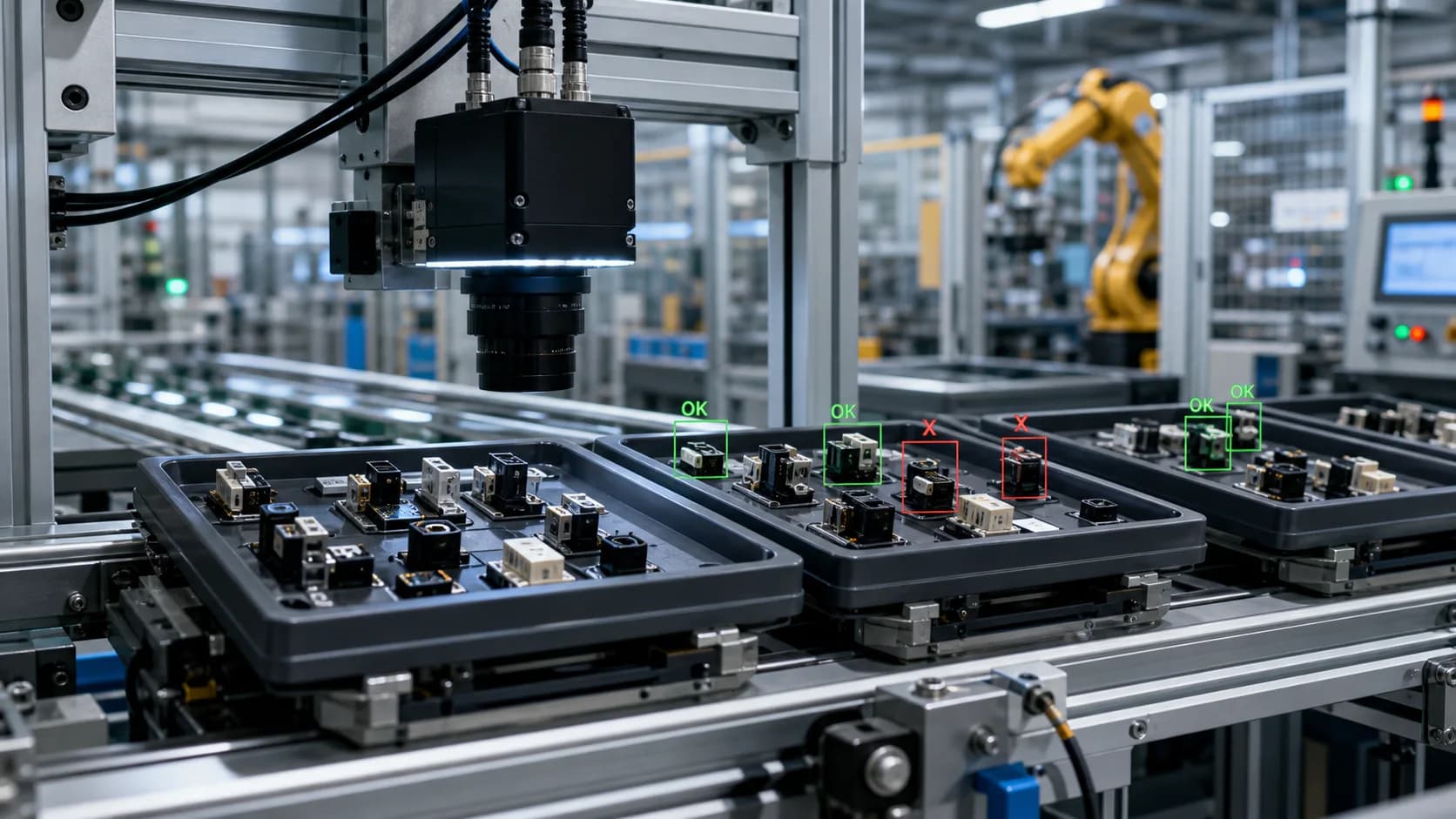
Many plants already have cameras, but those feeds are not automatically useful for quality review. The RTSP inspection workflow lets a team connect an existing fixed camera through a VidScanner edge agent and sample frames into a QA event queue.
The first goal is to validate whether the camera view can see the defect criteria clearly. If glare, blur, or distance hides the standard, the system should be treated as a signal that camera placement needs work before automation expands.
Once the feed is useful, teams can adjust sampling intervals, watch metered usage, and review defect events alongside uploaded Factory QA inspections.
Sample input
an RTSP-backed fixed camera pointed at a production, packaging, bottling, or assembly checkpoint
Sample output
camera-backed QA events with timestamp, screenshot, status, severity, confidence, and review disposition
Enterprise fit
Best fit
Batch review, inspection pilots, customer complaint evidence, supplier dispute review, quality audits, and early realtime camera pilots where the video clearly shows the product standard.
Operational boundary
Use Factory QA and Realtime QA as evidence and alert review layers before final disposition. PLC control, calibrated high-speed tracking, and automated line shutdowns require a dedicated machine-vision deployment.
How it works
- Install or run the VidScanner edge agent near the camera network
- Register the RTSP camera and confirm heartbeat status
- Attach product standards and defect categories
- Test sample frames before increasing sampling frequency
- Review and disposition events in the VidScanner dashboard
Tips for this workflow
Review checklist
FAQ
What video should I use for RTSP factory camera inspection?
Start with an RTSP-backed fixed camera pointed at a production, packaging, bottling, or assembly checkpoint. The recording should show the important visual evidence clearly and include narration when spoken context changes the meaning of the scene.
What output does this workflow create?
VidScanner generates live line exception queue details such as camera-backed QA events with timestamp, screenshot, status, severity, confidence, and review disposition. Each item stays connected to the source video for review.
Can the result be exported?
Realtime QA exports include Review queue records and CSV or JSON exports where available through QA workflows, depending on the app workflow and account plan.