Factory QA use case
Bottling line video inspection
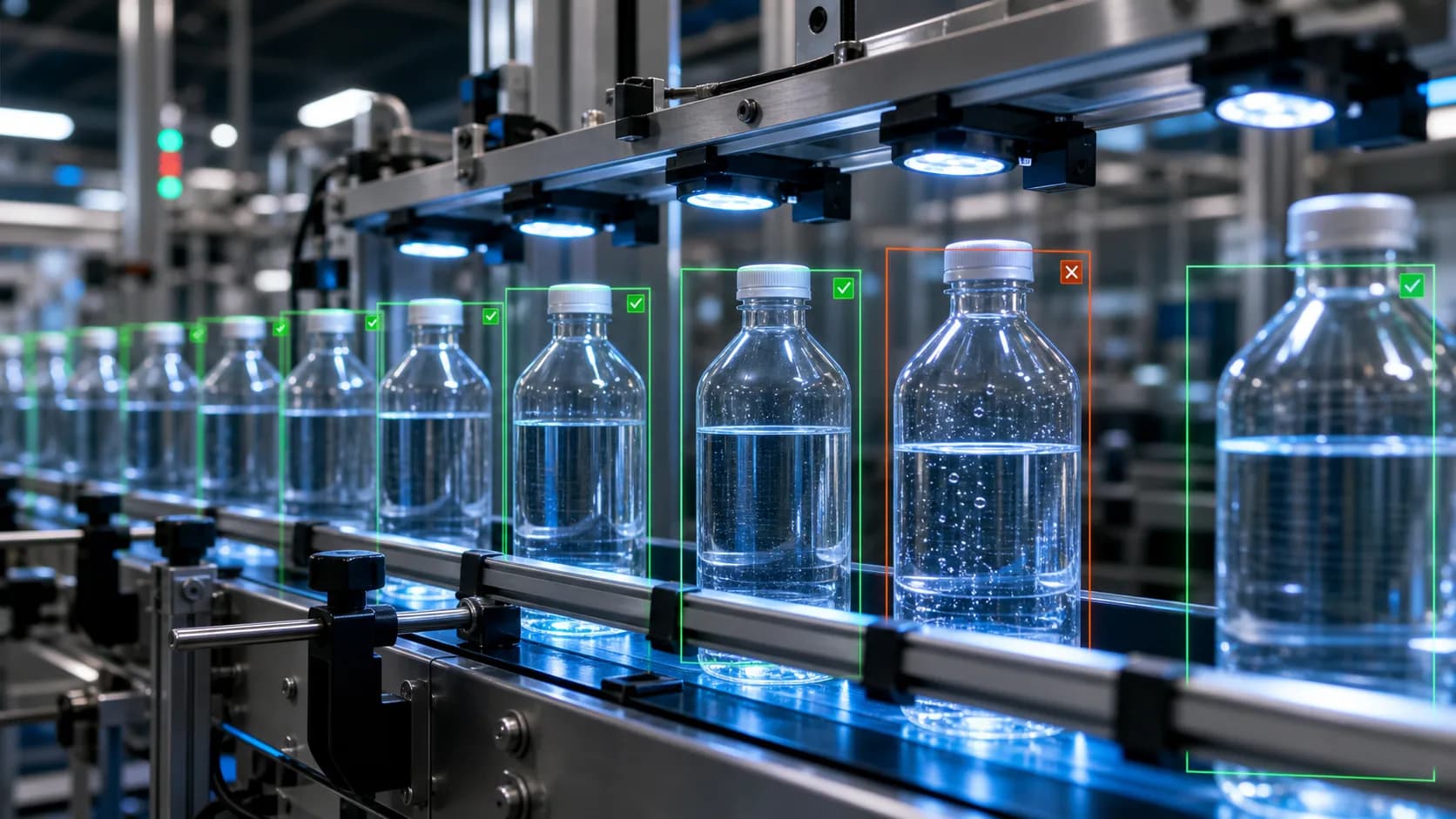
Bottling line video inspection for QA teams checking fill levels, cap state, label placement, seal condition, package presentation, and visible exceptions from uploaded line footage.
Workflow guide
How this use case fits into a repeatable video review process.
Bottling line video inspection helps teams review visible defects across fill, cap, label, seal, and package checkpoints. It is designed for uploaded footage from a line, batch, complaint investigation, or sample run.
VidScanner gives the reviewer an exception list with screenshots and timestamps so the first review pass starts at likely problem moments.
Use this workflow for beverage, liquid CPG, chemical, and other bottling operations where visible packaging and fill issues create downstream risk.
Sample input
fixed-camera bottling-line footage with bottles visible at fill, capping, labeling, packing, or inspection checkpoints
Sample output
bottling inspection findings with defect type, severity, confidence, screenshot, timestamp, rule reference, and suggested QA action
Enterprise fit
Best fit
Batch review, inspection pilots, customer complaint evidence, supplier dispute review, quality audits, and early realtime camera pilots where the video clearly shows the product standard.
Operational boundary
Use Factory QA and Realtime QA as evidence and alert review layers before final disposition. PLC control, calibrated high-speed tracking, and automated line shutdowns require a dedicated machine-vision deployment.
How it works
- Upload bottling-line footage from the checkpoint under review
- Define the acceptable fill, cap, label, seal, and package state
- Run Factory QA to create timestamped bottling findings
- Review evidence and confirm disposition
- Export findings by batch, line, SKU, or shift
Tips for this workflow
Review checklist
FAQ
Can this replace an inline vision system?
No. VidScanner supports uploaded-footage review and connected-camera sampling for human-reviewed QA events, but it is not a PLC-connected line-stop or validated high-speed rejection system.
What makes the output useful for QA teams?
Each finding includes a timestamp, screenshot, defect type, severity, confidence, rule reference, and suggested disposition so a QA owner can verify the issue against source video.
What kind of footage works best?
Fixed-camera footage from a line, inspection station, packaging area, or controlled sample run works best. Close framing and stable lighting usually matter more than cinematic quality.